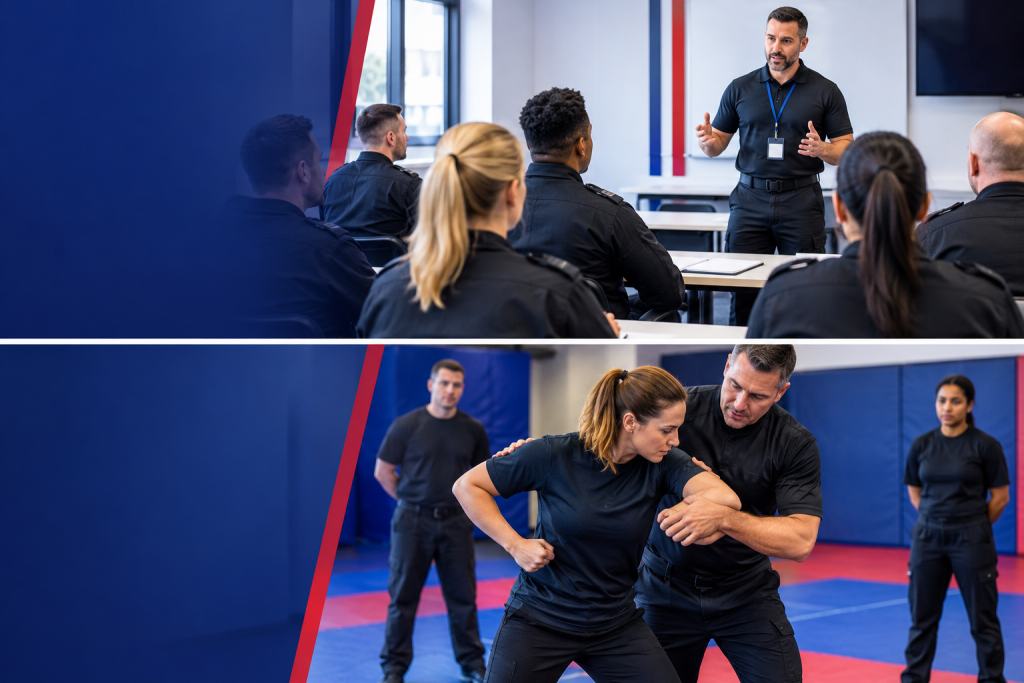
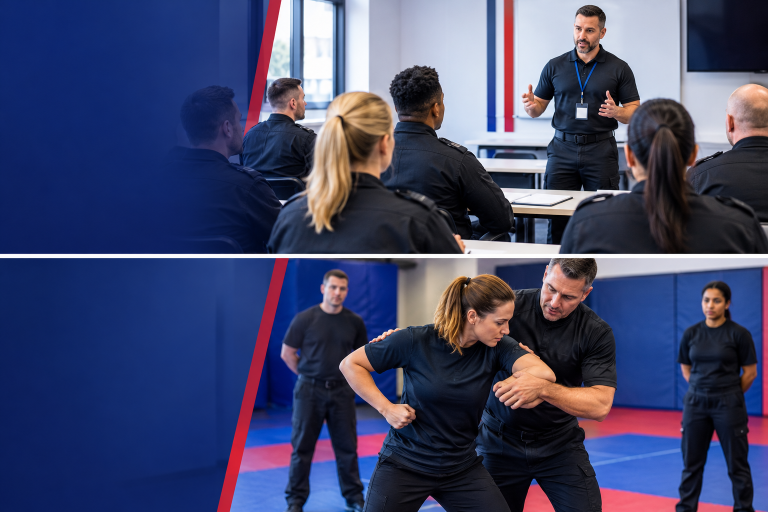
Develop the specialist knowledge and skills required to deliver physical intervention training within the private security industry, subject to the relevant trainer and centre requirements.
This qualification is intended for eligible professionals looking to develop their capabilities in teaching and assessing physical intervention skills.
Key areas include:
Principles of physical intervention training.
Safe and professional training delivery.
Risk assessment and learner safety.
Understanding relevant legislation and professional responsibilities.
Supporting effective learning and assessment.
Guided learning hours (GLH) 40
Minimum Contact Time (MCT): 13
Multiple-Choice Examination: a 45-minute, 30-question exam where learners must achieve an 80% pass mark (24 out of 30 correct answers)
Practical Demonstration: Practical assessment of physical intervention techniques and application
Oral Q&A / Verbal Questioning: Assessing understanding of legal frameworks, medical implications, and reasonable force (e.g., Section 3 of the Criminal Law Act 1967)
Level 3 Award for Deliverers of Physical Intervention Training in the Private Security Industry does not expire (it is a permanent Ofqual-regulated qualification), however, your authority to teach and deliver the training requires an annual renewal (every 12 months)
Training Course & Provider Fees: ranges from £450 to £770, depending on the location, and if study packs or license agreements are included:
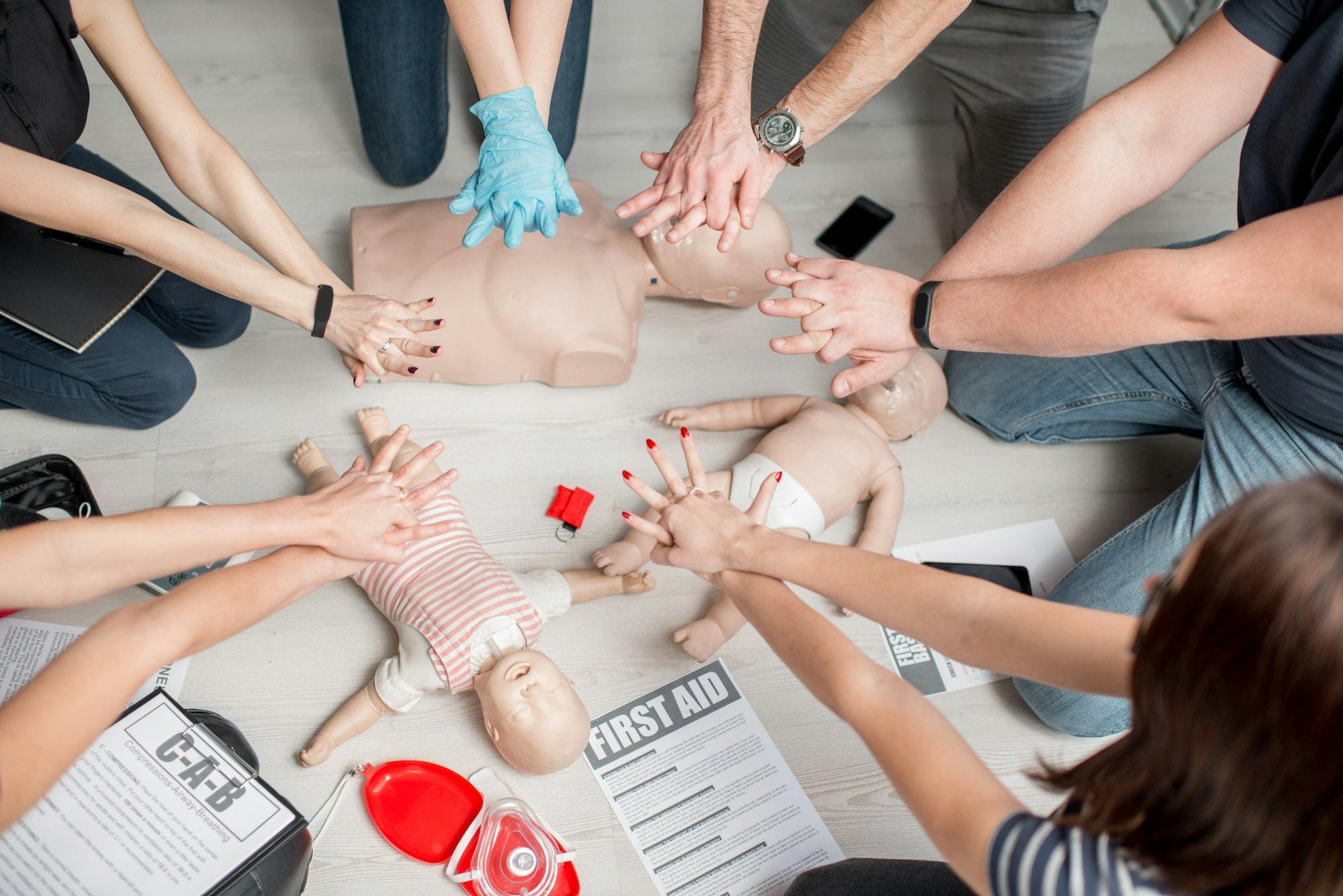
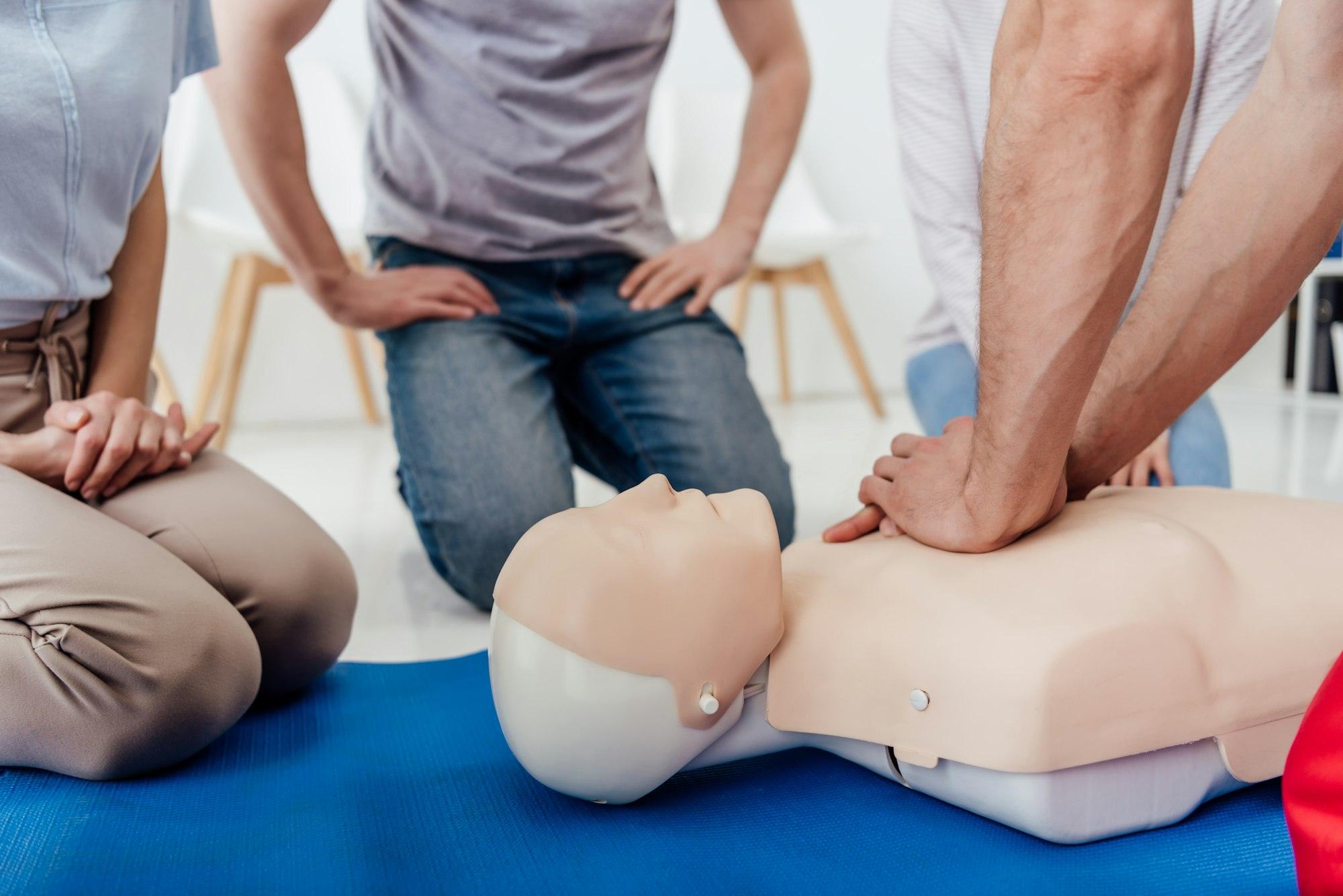
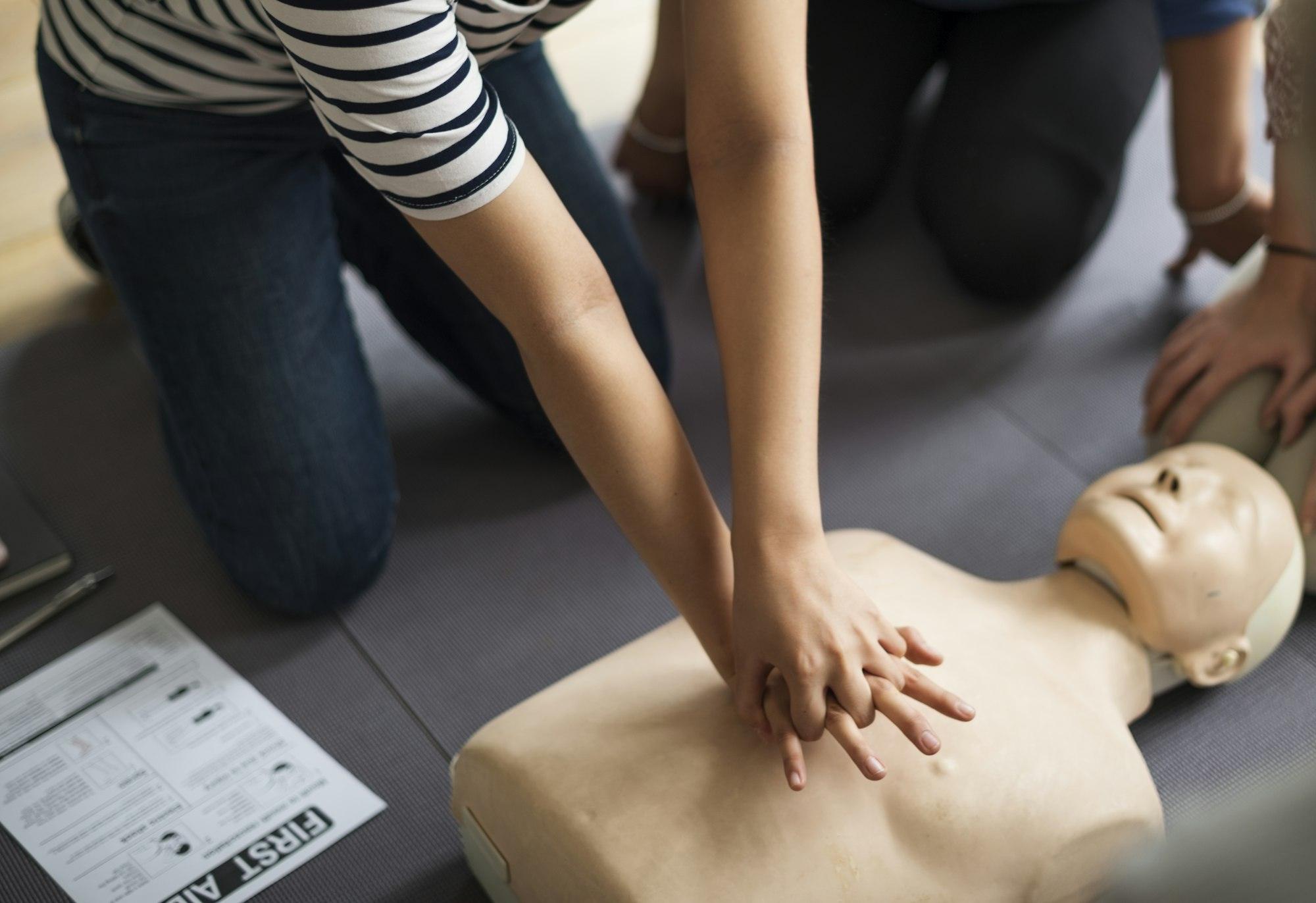
We have worked in partnership with SMARTT for a few years now delivering training courses. The courses are delivered professionally, friendly, attentive with 100% pass rate on all first aid courses.
Tracie Conlan-Fernandes – ALC, New College Durham
For further details on our Level 3 Certificate for Close Protection Operatives please contact us or we can arrange to call you back and discuss your requirements.
Learn how to recognise, prevent and manage conflict in professional environments. Conflict management skills are valuable for security professionals who may encounter challenging behaviour, difficult conversations or potentially confrontational situations.
Key areas include:
Understanding the causes and stages of conflict.
Verbal and non-verbal communication.
De-escalation techniques.
Managing challenging behaviour professionally.
Personal safety and appropriate responses to conflict.
This qualification can support professional development in security, customer-facing roles and other environments where effective conflict management is important.