
First Aiders in the workplace. One of the most common questions employers ask about workplace safety is: How many first aiders does a workplace need?
There is no single number that applies to every UK workplace. The appropriate level of first aid provision depends on factors such as the type of work, workplace hazards, number of employees, working patterns, location and other circumstances.
Employers should carry out a first-aid needs assessment to determine what first aid equipment, facilities and trained personnel are appropriate for their workplace.
In this guide, we explain how employers can assess their workplace first aid requirements and determine an appropriate level of first aid provision.
Is There a Fixed Number of First Aiders Required in the UK?
No. There is not one fixed number of first aiders that applies to every workplace.
The Health and Safety Executive (HSE) states that employers should assess their first-aid needs and provide adequate and appropriate equipment, facilities and personnel based on the circumstances of their workplace.
This means a small office, construction site, warehouse, factory and large multi-site organisation may all require different first aid arrangements.
The key question is not simply:
“How many employees do we have?”
Instead, employers should ask:
“What level of first aid provision is appropriate for the risks and circumstances of our workplace?”
First Aiders in the workplace | What Is a First-Aid Needs Assessment?
A first-aid needs assessment is a process that helps employers identify the first aid arrangements required in their workplace.
The assessment should consider the risks and circumstances of the business before deciding:
- How many first aiders may be needed
- What type of first aid training is appropriate
- Where first aiders should be located
- What first aid equipment is required
- Whether additional first aid facilities are necessary
- How first aid cover will be maintained
- How employees will access first aid in an emergency
A first-aid needs assessment should reflect the actual working environment rather than relying on a generic number.
What Factors Determine How Many First Aiders Are Needed?
Several factors can affect the number of first aiders required. First Aiders in the workplace
1. Number of Employees
The size of your workforce is an important consideration.
A workplace with a small number of employees may require fewer trained first aiders than a large organisation.
However, employee numbers alone should not determine your first aid provision.
2. Level of Workplace Risk
The nature of the work is another important consideration.
A low-risk office environment may have different first aid needs from:
- Construction sites
- Manufacturing facilities
- Warehouses
- Engineering workplaces
- Hospitality businesses
- Care environments
- Educational settings
Employers should consider the potential hazards associated with the work being performed.
3. Working Patterns and Shift Work
If your business operates across multiple shifts, first aid cover should be available when employees are working.
For example, a company that operates 24 hours a day may need to consider how first aid provision will be maintained during night shifts.
HSE guidance notes that special circumstances such as shift work may require additional first aid personnel.
4. Size and Layout of the Workplace
The physical size and layout of your workplace can affect first aid arrangements.
A large site with several buildings may require more than one first aider or first aid location so that employees can receive assistance without unnecessary delay.
HSE guidance specifically notes that workplaces with several buildings may need additional first aid personnel.
5. Remote and Lone Workers
Employees who work alone or away from the main workplace can create additional first aid considerations.
Employers should consider how these employees would access first aid assistance if an accident or sudden illness occurred.
6. Distance from Emergency Medical Services
The location of the workplace can also be relevant.
If a workplace is located far from emergency medical services, employers may need to consider whether additional first aid provision is appropriate.
7. Previous Accidents and Incidents
Previous workplace accidents can provide useful information when reviewing first aid arrangements.
If certain injuries or incidents have occurred repeatedly, employers may need to consider whether existing first aid arrangements remain suitable.
8. First Aiders in the workplace | Employee Absence
Businesses should also consider holidays, sickness and other absences.
If only one employee is trained as a first aider and that person is regularly absent, there may be periods when adequate first aid cover is unavailable.
HSE guidance recommends considering absence when determining first aid provision.
How Many First Aiders Does a Small Office Need?
A small, low-risk office may have relatively straightforward first aid requirements.
However, employers should still complete a first-aid needs assessment.
The assessment should consider:
- Number of employees
- Office layout
- Working hours
- Potential workplace hazards
- Employee distribution
- Lone or remote workers
- Previous incidents
- Holiday and sickness cover
Employers should avoid choosing a number simply because another office has the same number of employees.
How Many First Aiders Does a High-Risk Workplace Need?
Higher-risk workplaces may require more comprehensive first aid arrangements.
Examples can include:
- Construction
- Manufacturing
- Warehousing
- Engineering
- Industrial environments
- Work involving machinery
- Work involving hazardous substances
The exact provision should be determined through the workplace’s first-aid needs assessment.
Higher-risk workplaces may need employees with more comprehensive First Aid at Work training rather than relying only on emergency first aid provision. First Aiders in the workplace
First Aiders in the workplace | What Does HSE Say About 25 or More Employees?
HSE guidance states that where 25 or more people are employed, even in low-hazard environments, at least one first-aid person should be provided. However, this is not a universal formula for every workplace, and employers still need to consider the circumstances of their particular workplace.
This is why employers should not simply calculate first aider numbers using employee headcount alone.
The needs assessment remains important.
Do You Need More Than One First Aider?
You may need more than one trained first aider depending on your workplace circumstances.
Multiple first aiders can help provide better coverage when:
- The workplace has many employees
- Employees work different shifts
- The site is large
- There are multiple buildings
- Employees work in different areas
- Some employees work remotely
- First aiders take holidays
- First aiders may be absent due to sickness
- Workplace risks are higher
The goal is to ensure appropriate first aid assistance can be provided without unnecessary delay.
What Type of First Aid Training Do Employees Need?
Once an employer has completed a first-aid needs assessment, the next step is to identify the appropriate training.
Two common workplace qualifications are:
Emergency First Aid at Work
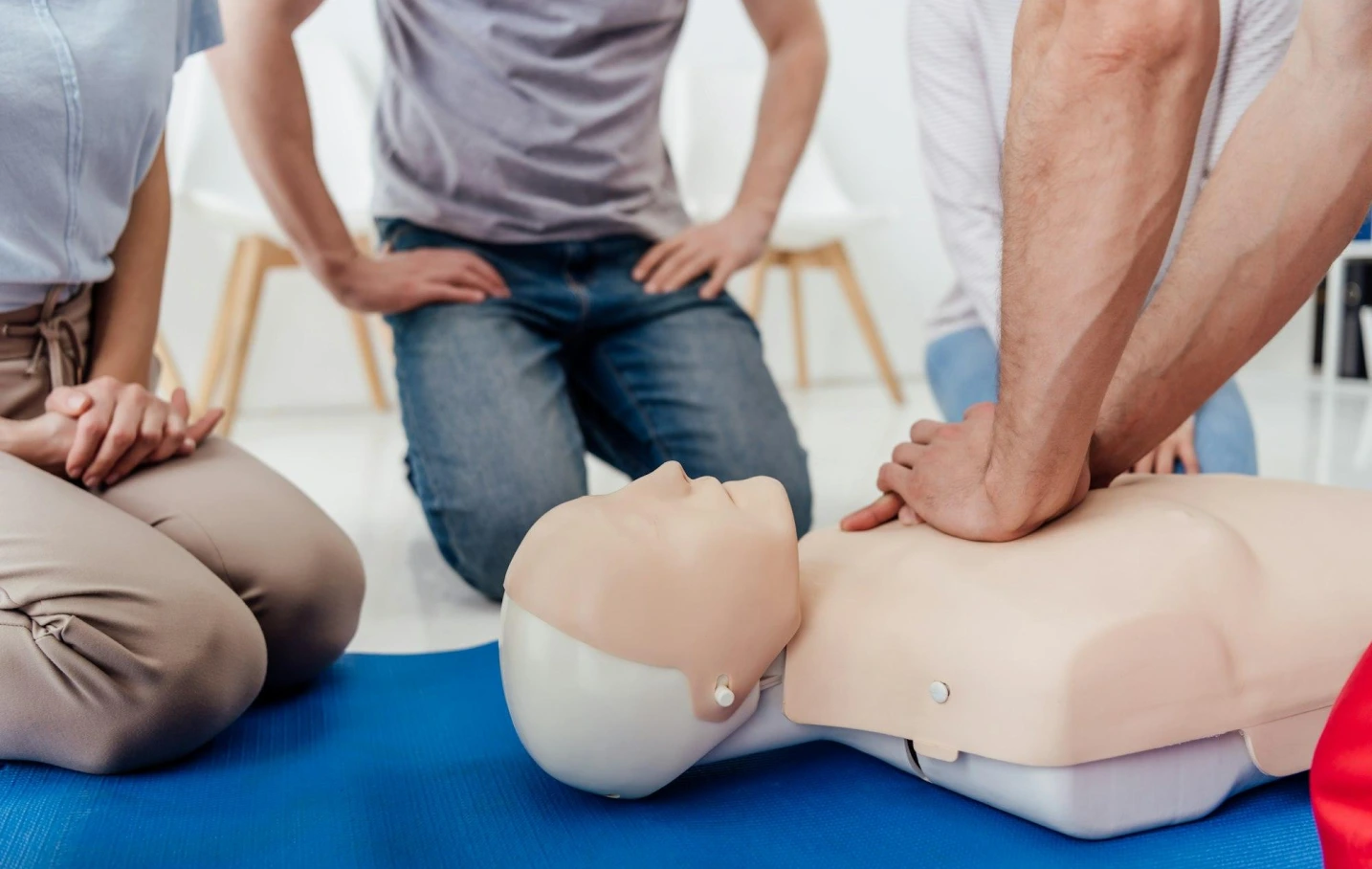
Emergency First Aid at Work (EFAW) provides essential emergency first aid skills.
It covers areas such as:
- CPR
- AED use
- Choking
- Bleeding
- Shock
- Emergency procedures
First Aiders in the workplace | SMARTT currently offers a Level 3 Award in Emergency First Aid at Work.
First Aid at Work
First Aid at Work (FAW) provides broader training covering a wider range of workplace injuries and illnesses.
It can be appropriate where an employer’s needs assessment identifies the requirement for more comprehensive first aid training.
SMARTT currently offers a Level 3 Award in First Aid at Work as part of its workplace first aid training provision.
Do First Aiders Need Refresher Training?
Maintaining first aid skills is important.
First Aiders in the workplace. HSE recommends annual refresher training during the three-year certification period for first aiders, while employers should also ensure certificates remain current and appropriate first aid cover is maintained.
Businesses should keep appropriate records of training and monitor qualification expiry dates.
What Should a Workplace First Aid Kit Contain?
First aid equipment should also be considered as part of the needs assessment.
The contents of a first aid kit should reflect the type of workplace and the potential risks.
For example, a construction or industrial environment may have different first aid requirements from a small office.
Employers should make sure first aid equipment is accessible and appropriately maintained.
What About Employees Who Work Away From the Workplace?
Businesses with mobile, remote or lone workers may need additional arrangements.
For example, employees who travel between sites may not have immediate access to the main workplace first aider.
The employer should consider how first aid assistance will be provided when employees are working away from the main site.
This should form part of the overall first-aid needs assessment.
Should Employers Tell Employees Who the First Aiders Are?
Yes.
Employees should be informed about the workplace’s first aid arrangements.
This can include communicating:
- Who the first aiders are
- Where first aiders can be found
- Where first aid equipment is located
- How to contact a first aider
- What to do during an emergency
HSE guidance states that employers need to inform employees about the first aid arrangements they have put in place.
How SMARTT Can Help With Workplace First Aid Training
SMARTT North East provides professional workplace training across First Aid, Health & Safety and other vocational areas.
Its current first aid course range includes:
- Level 3 Award in First Aid at Work
- Level 3 Award in Emergency First Aid at Work
- Level 3 Award in Paediatric First Aid
- Level 3 Award in Emergency Paediatric First Aid
- Level 2 Mental Health First Aid
- Level 2 Basic Life Support and Safe Use of an Automated External Defibrillator
- First Aid for Schools
SMARTT describes itself as an educational training provider with experienced trainers and a range of workplace health and safety qualifications.
If you are unsure which first aid qualification is appropriate for your employees, you can discuss your workplace training requirements with a professional training provider.
First Aiders in the workplace | Frequently Asked Questions
How many first aiders does a workplace need in the UK?
There is no single number for every workplace. Employers should carry out a first-aid needs assessment based on workplace risks, employee numbers, working patterns, location and other relevant circumstances.
Does every workplace need a first aider?
Employers must make appropriate first aid arrangements based on the circumstances of their workplace. The required level of provision should be identified through a first-aid needs assessment.
How many first aiders do I need for 25 employees?
First Aiders in the workplace. HSE guidance states that where 25 or more people are employed, even in low-hazard environments, at least one first-aid person should be provided. However, the actual needs of the workplace should still be assessed.
Does shift work affect the number of first aiders required?
Yes. Employers should consider whether first aid cover is available throughout the periods when employees are working. Shift work may mean additional first aid personnel are appropriate.
Do holidays affect first aid cover?
Yes. Employers should consider sickness, holidays and other absences when reviewing whether sufficient first aid cover is available.
Do construction companies need first aiders?
Construction businesses should carry out a first-aid needs assessment that considers the hazards, workforce, site arrangements and working conditions. First Aiders in the workplace. The appropriate level of first aid training should then be selected.
What is the difference between a first aider and an appointed person?
A trained first aider has completed an appropriate first aid qualification. An appointed person has a different role in managing first aid arrangements, such as taking charge of first aid equipment and contacting emergency services when necessary. The appropriate arrangements depend on the employer’s needs assessment.
How often should workplace first aid arrangements be reviewed?
Employers should review first aid arrangements when circumstances change, such as changes to workforce numbers, work activities, workplace layout, working patterns or identified risks.
Final Thoughts
So, how many first aiders does a workplace need?
First Aiders in the workplace – The answer depends on the workplace.
There is no universal number that applies to every UK business. Employers should carry out a suitable first-aid needs assessment and consider employee numbers, workplace hazards, working patterns, site layout, remote workers, previous incidents and employee absence.
For some workplaces, Emergency First Aid at Work may provide the appropriate level of training. Other workplaces may require the broader First Aid at Work qualification.
The most important step is to make sure your first aid arrangements are appropriate for the actual needs and risks of your workplace. First Aiders in the workplace
If your business needs professional workplace first aid training, SMARTT North East offers First Aid at Work and Emergency First Aid at Work courses to help organisations develop appropriate first aid skills and safer workplaces.
For more information or to book a course please contact us here