
First Aid training Consett. Why First Aid Training Is Important for UK Businesses
Workplace accidents and sudden illnesses can happen in almost any business. From a minor injury to a serious medical emergency, having appropriately trained employees can help an organisation respond effectively when immediate assistance is needed.
For UK businesses, first aid training is an important part of wider workplace health and safety arrangements. Employers should assess the risks and circumstances of their workplace and provide appropriate first-aid equipment, facilities and personnel.
But why is first aid training so important for businesses? and have a workplace first aider
In this guide, we look at the key reasons UK employers should consider appropriate workplace first aid training.
First Aid training Consett | What Is Workplace First Aid Training?
Workplace first aid training teaches employees how to respond appropriately when someone becomes injured or ill at work.
Depending on the qualification, training can cover areas such as:
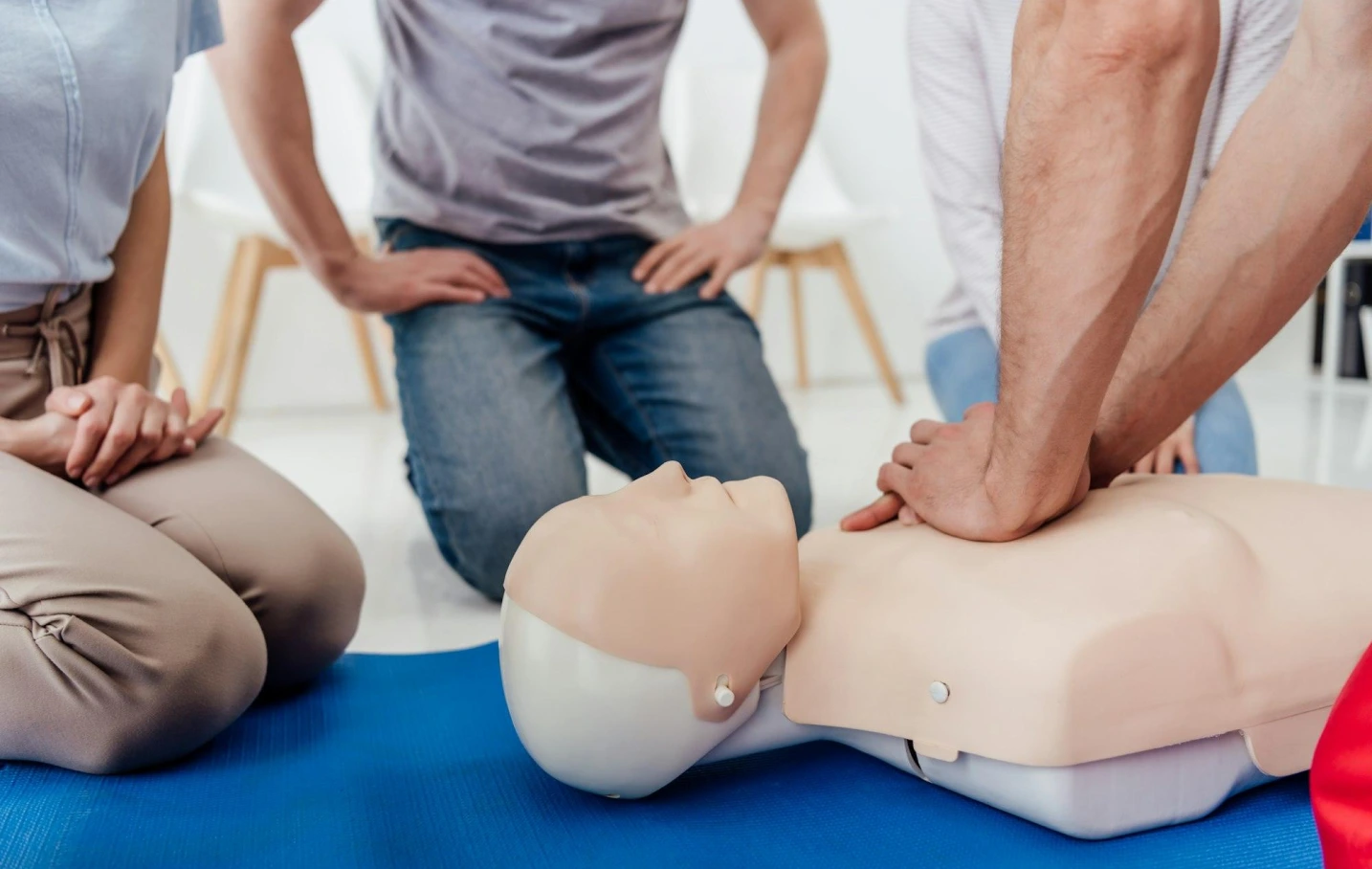
- CPR
- Automated External Defibrillator (AED) use
- Choking
- Bleeding
- Shock
- Unconsciousness
- Burns
- Fractures
- Head injuries
- Workplace injuries and illnesses
- Emergency response procedures
The level of training required depends on the workplace and its first-aid needs assessment and this provides first aid course for employees
SMARTT offers a range of first aid courses, including First Aid at Work, Emergency First Aid at Work, Paediatric First Aid, Mental Health First Aid and Basic Life Support/AED training.
Why Is First Aid Training Important for Businesses?
1. It Helps Employees Respond to Emergencies
First Aid training Consett. When an accident occurs, employees may need to act before professional medical assistance arrives.
A trained first aider can provide appropriate immediate assistance within the limits of their training and workplace procedures.
Having employees who understand basic emergency procedures can help an organisation respond in a more organised way.
2. It Supports Workplace Health and Safety
First aid is one part of a wider workplace health and safety system.
The HSE’s guidance for employers covers first-aid equipment, facilities, first-aiders, appointed persons and communicating first-aid arrangements to employees.
First aid training can therefore form part of a business’s overall approach to workplace safety.
3. It Helps Businesses Prepare for Workplace Accidents
No business can assume that accidents will never happen.
First Aid training Consett. Different workplaces can have different risks.
For example:
- Offices may have slips, trips and falls
- Construction sites may involve physical hazards
- Warehouses may involve manual handling and equipment
- Manufacturing environments may involve machinery
- Hospitality businesses may experience cuts and burns
- Schools and childcare environments may require paediatric first aid
Training should reflect the risks and circumstances identified by the employer.
4. It Can Increase Employee Confidence
Employees who receive appropriate first aid training can develop practical knowledge about how to respond to emergencies.
Training may help employees understand:
- What to do first
- When to contact emergency services
- How to assess an incident
- How to provide appropriate first aid
- Where workplace first aid equipment is located
- Who the workplace first aiders are
Regular refresher training can also help maintain familiarity with first aid procedures.
5. It Helps Create a Safety-Focused Workplace Culture
Workplace safety is not only about policies and paperwork.
Employees need to understand how safety procedures work in practice.
First aid training can contribute to a workplace culture where employees recognise hazards, understand emergency procedures and know where to seek help.
6. It Provides Immediate Support Before Professional Help Arrives
In a serious emergency, professional medical assistance may be required.
However, there can be a period between an incident occurring and professional help arriving.
Appropriately trained workplace first aiders can provide immediate assistance within their training while emergency services are contacted or awaited.
This is one reason why employers should consider the location of their workplace and access to emergency medical services when assessing their first-aid needs.
7. It Helps Businesses Consider Their Specific Workplace Risks
First aid requirements are not identical for every business.
First Aid training Consett. A small office and a large industrial site can have very different risks.
Employers should consider factors such as:
- Number of employees
- Type of work
- Workplace hazards
- Working patterns
- Shift work
- Workplace layout
- Lone workers
- Remote workers
- Previous accidents
- Distance from emergency medical services
- Employee absence
HSE guidance recommends considering these types of workplace circumstances when assessing first-aid provision.
8. It Supports Appropriate First-Aid Provision
Training is only one part of workplace first aid.
Businesses should also consider:
- First aid kits
- First aid equipment
- First aid facilities
- Trained personnel
- Emergency procedures
- Employee awareness
- Cover during holidays and absence
The HSE’s L74 guidance provides employers with information on managing first aid provision and training requirements.
First Aid training Consett | What First Aid Course Does a Business Need?
There is no single course that is appropriate for every organisation.
The appropriate level of training should be considered as part of the employer’s first-aid needs assessment.
Two common workplace qualifications are First Aid at Work (FAW) and Emergency First Aid at Work (EFAW).
First Aid at Work
First Aid at Work provides more comprehensive workplace first aid training.
It can cover a wider range of injuries and illnesses than emergency-focused training.
First Aid training Consett. This may be appropriate where the workplace’s risks and circumstances require a broader level of first aid provision.
Emergency First Aid at Work
Emergency First Aid at Work focuses on essential emergency first aid skills.
It can cover areas such as:
- CPR
- AED use
- Choking
- Bleeding
- Shock
- Basic emergency procedures
The appropriate course should be selected based on the organisation’s workplace needs.
For a detailed comparison, see our previous guide:
First Aid Training for Different Types of UK Businesses
First Aid training Consett. First Aid Training for Offices
Office environments may generally have different risks from industrial workplaces, but accidents and sudden illnesses can still occur.
Businesses should assess their own workplace circumstances rather than assuming that an office requires no first aid provision.
First Aid Training for Construction Businesses
First Aid training Consett. Construction workplaces can involve a range of physical hazards.
Employers should consider the specific risks associated with their sites and activities when determining first aid arrangements.
SMARTT also provides Health and Safety within a Construction Environment training.
First Aid Training for Warehouses
Warehouses may involve manual handling, vehicles, equipment and other workplace hazards.
Employers should consider these factors when completing their first-aid needs assessment.
First Aid Training for Hospitality Businesses
Restaurants, cafés, hotels and catering businesses can experience risks including cuts, burns, slips and falls.
Appropriate first aid arrangements can form part of the wider health and safety system.
First Aid Training for Schools
Schools and educational settings may have specific first aid considerations.
Depending on the setting, Paediatric First Aid may also be relevant.
SMARTT currently offers both Paediatric First Aid and Emergency Paediatric First Aid courses.
First Aid training Consett | Does First Aid Training Include AED Training?
Some first aid qualifications include training in the use of an Automated External Defibrillator (AED).
AED training can help learners understand how to use a defibrillator as part of an appropriate emergency response.
SMARTT currently offers a Level 2 Award in Basic Life Support and Safe Use of an Automated External Defibrillator.
Businesses should check the exact content and requirements of the course they are considering.
What About Mental Health First Aid?
Workplace first aid needs are not limited to physical injuries.
HSE’s current first-aid guidance notes that employers should take employees’ mental health into account when carrying out their first-aid needs assessment.
Mental health first aid training can provide a separate area of training focused on supporting people experiencing mental health difficulties.
SMARTT currently offers Level 2 Mental Health First Aid as part of its first aid course range.
First Aid training Consett | How Often Should First Aid Training Be Refreshed?
Employers should monitor first aid qualification expiry dates and maintain appropriate first aid cover.
HSE guidance recommends annual refresher training during the three-year certification period for first aiders to help maintain basic skills.
Businesses should also consider whether changes to their workplace, workforce or activities require their first-aid arrangements to be reviewed.
How SMARTT Can Help Your Business?
SMARTT North East provides workplace training across First Aid, Health & Safety, Fire Safety, Manual Handling, Food Safety, COSHH and construction health and safety.
First Aid training Consett includes:
- Level 3 Award in First Aid at Work
- Level 3 Award in Emergency First Aid at Work
- Level 3 Award in Paediatric First Aid
- Level 3 Award in Emergency Paediatric First Aid
- Level 2 Mental Health First Aid
- Level 2 Basic Life Support and Safe Use of an AED
- First Aid for Schools
SMARTT states that its classroom training is delivered by qualified staff with industry experience and practical training experience.
Businesses can contact SMARTT to discuss their workplace training requirements and identify suitable courses.
Frequently Asked Questions
Why is first aid training important in the workplace?
First aid training helps employees develop knowledge and practical skills for responding to workplace emergencies. It forms part of appropriate workplace first-aid arrangements.
Is first aid training a legal requirement for UK businesses?
UK employers are required to make adequate and appropriate first-aid arrangements based on the circumstances of their workplace. The specific training provision should be determined through a first-aid needs assessment.
Who should receive first aid training?
Employers should identify appropriate trained personnel based on their first-aid needs assessment, workplace risks, workforce and working arrangements.
What is the difference between FAW and EFAW?
First Aid at Work provides broader workplace first aid training, while Emergency First Aid at Work focuses on essential emergency first aid skills.
Does first aid training include CPR?
First Aid training Consett. Many workplace first aid qualifications include CPR training. Employers should check the specific course syllabus before booking.
Does first aid training include AED use?
Some first aid courses include AED training. SMARTT also offers a dedicated Basic Life Support and Safe Use of an AED qualification.
How long does first aid training last?
Course duration depends on the qualification. For example, SMARTT currently offers different first aid courses with different training requirements, so businesses should check the specific course details before booking.
Can businesses arrange first aid training for multiple employees?
Yes. Businesses can arrange appropriate workplace training for employees based on their first-aid needs and training requirements.
Final Thoughts
First aid training is an important part of workplace safety for UK businesses.
The appropriate level of training depends on the organisation’s workplace risks, workforce, working arrangements and first-aid needs assessment.
First Aid training Consett. Whether a business requires First Aid at Work, Emergency First Aid at Work, Paediatric First Aid, Mental Health First Aid or AED training, the course should be selected according to the actual needs of the workplace.
Good first-aid arrangements combine appropriate training with suitable equipment, clear procedures and employee awareness.
Looking for professional first aid training for your business? Explore SMARTT’s First Aid courses or contact the SMARTT team to discuss your workplace training requirements.